Home › Gut Health › The best fiber for gut health: what to look for (and what to skip)
The best fiber for gut health: what to look for (and what to skip)
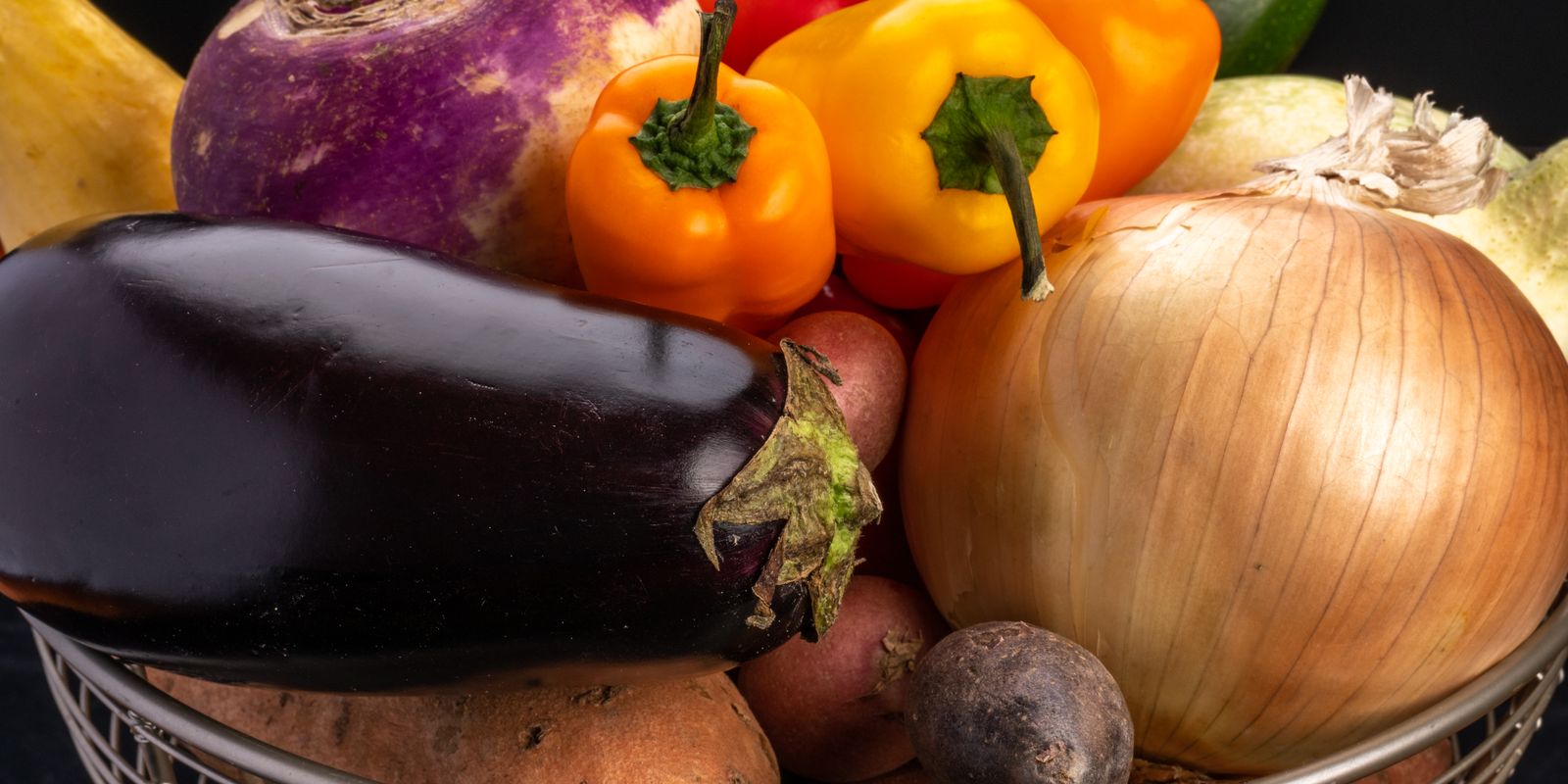
There is no single best fiber. The right one depends on what you want it to do, because the three main types work differently. Soluble fiber dissolves into a gel and slows digestion. Insoluble fiber adds bulk and speeds things through. Prebiotic fiber feeds your gut bacteria. Most whole plant foods give you a mix of all three; a supplement is a way to lean toward the one that fits your goal.
Soluble fiber: the kind that gels
MedlinePlus describes it simply: soluble fiber attracts water and turns to gel during digestion, which slows digestion down (MedlinePlus). That gel is why soluble fiber is the one most people mean when they talk about feeling full. Harvard's Nutrition Source adds that soluble fiber can help lower blood glucose and cholesterol (Harvard T.H. Chan School of Public Health). You will find it in oat bran, barley, beans, lentils, nuts, seeds, some fruit, and in psyllium, the most common fiber supplement.
Insoluble fiber: the kind that adds bulk
Insoluble fiber does not dissolve. MedlinePlus notes it adds bulk to stool and appears to help food pass more quickly through the stomach and intestines, which is what people mean by regularity. It shows up in wheat bran, whole grains, leafy greens, and fruit with edible skins. If your goal is keeping things moving, this is the branch that does it.
Prebiotic fiber: food for your gut bacteria
Some fibers do double duty as prebiotics. Harvard's Nutrition Source explains that certain fibers act as food for gut bacteria, which ferment them into short-chain fatty acids. Common examples are inulin, fructo-oligosaccharides (FOS), galacto-oligosaccharides (GOS), and resistant starch.
Here is the honest caveat the marketing pages skip. That same fermentation is what produces gas. A peer-reviewed review notes that rapidly fermented fructans like FOS can cause symptoms at doses around 10 grams, while gentler fibers like resistant starch are tolerated at much higher amounts (Nutrients, 2013). Prebiotics are good for your microbiome. Just ramp them up, or you will be uncomfortable.
What actually matters when you're choosing
- Match the type to your goal. Insoluble for regularity, soluble for a gel that slows digestion and supports glucose and cholesterol, prebiotic to feed your gut bacteria. If you want a bit of everything, a blend or simply more whole plant food is reasonable.
- Increase slowly. Cleveland Clinic suggests adding no more than 5 grams of fiber per week, with plenty of water, to avoid gas and bloating (Cleveland Clinic).
- Look for third-party testing. Dietary supplements are not reviewed by the FDA for safety before they are sold, so the maker carries that responsibility. A seal from an outside lab like USP or NSF is your sign that someone independent checked what is actually in the bottle.
- Treat format as a matter of adherence, not superiority. Powder, capsule, and gummy all deliver fiber. The best format is the one you will take every day. What matters is the grams of fiber per serving and the testing behind it, not the shape.
How much, and why most people fall short
For women, the daily target lands around 25 to 28 grams depending on age, per Cleveland Clinic and the U.S. Dietary Guidelines. Very few people get there. The American Society for Nutrition reports that only about 9% of women meet the recommendation (nutrition.org). That shortfall, not any single magic fiber, is the real problem a supplement is trying to solve.
“The best fiber isn't a brand. It's the type that matches your goal, taken at a dose you build up to, that you'll actually keep taking.”
Common questions
What's the difference between soluble and insoluble fiber? Soluble fiber dissolves into a gel and slows digestion; insoluble fiber stays intact, adds bulk, and speeds transit. Most plant foods contain both.
Which fiber is best for constipation? Insoluble fiber adds bulk and helps move things along, and soluble psyllium helps too. The key is adding it slowly with enough water.
Are prebiotic fibers worth it? They feed your gut bacteria and produce short-chain fatty acids, which is a real benefit. The tradeoff is gas if you ramp up too fast, so go gradually.
Is a fiber gummy as good as a powder? Format is mostly about whether you will take it daily. Check the fiber grams per serving and whether it is third-party tested, and pick the one you will stick with.
Start with your goal, pick the fiber type that fits it, and build the dose up slowly with plenty of water. Then check for a third-party seal, because with supplements, that label is the closest thing you get to a referee.
From Seya Health
We're building a daily fiber gummy for women. Join the waitlist and we'll email you the moment it's ready.
Join the waitlistSources
- 1. MedlinePlus (NIH) — Soluble vs insoluble fiber — medlineplus.gov/ency/article/002136.htm
- 2. Harvard T.H. Chan School of Public Health, The Nutrition Source — Fiber — nutritionsource.hsph.harvard.edu/carbohydrates/fiber
- 3. Nutrients, 2013 (Slavin) — Fiber and prebiotics: mechanisms and tolerability — pmc.ncbi.nlm.nih.gov/articles/PMC3705355
- 4. Cleveland Clinic — How much fiber per day; choosing a fiber supplement — health.clevelandclinic.org/how-much-fiber-per-day
- 5. American Society for Nutrition — Most Americans are not getting enough fiber (9% of women meet it) — nutrition.org
- 6. U.S. FDA — Dietary supplements are not FDA-approved for safety before sale (verify on-page before publish) — fda.gov
About this page. Science Corner is the educational publication of Seya Health. Seya makes the products this site may feature, and articles here are not independent journalism or medical advice. Talk to your clinician before changing your supplement routine.